How to Choose an Organic Mattress: Materials, Certifications, and Care
In a market crowded with labels and claims, the organic mattress stands out as a promise: a sleep surface that respects both the sleeper and the planet. This guide dissects the essential materials, the certifications that matter, and the practical care habits that help organic mattresses endure. We’ll also hear from three influential figures across different eras who, in their own ways, shaped the conversation around health, process, and value—reminding us that choices about sleep are more than comfort; they’re a statement about living well.
This article embraces a non-commercial, educational stance. It focuses on understanding organic components, credible certifications, and long-term care practices to empower informed decisions.
Why Organic Matters in Mattresses
An organic mattress foregrounds natural materials that are grown or produced with minimal synthetic intervention, aiming to reduce chemical exposure and environmental impact. For many sleepers, organic choices translate to healthier indoor environments, fewer irritants for sensitive skin or allergies, and greater peace of mind about what touches the skin every night. The conversation around organic bedding extends beyond the surface to the way a mattress is manufactured, the origin of its components, and how it is cared for over the long haul.
At the core of this discussion are three material families frequently used in organic mattresses:
- Natural latex (Dunlop or Talalay): Known for durability, contouring, and breathability; often sourced from certified organic rubber trees or agroforestry systems.
- Organic cotton and wool: Serve as breathable, moisture-wicking covers and insulators that regulate temperature while contributing to overall durability.
- Other natural fills: Options like coir, horsehair, or natural fibers can appear in layers to tailor support and feel, while maintaining organic integrity.
Materials and Certifications: Reading the Labels with Confidence
Certification programs act as external attestations that a product’s organic claims meet defined standards. With mattresses, the landscape includes both fiber-specific certifications and broader product standards. When evaluating an organic mattress, treat certifications as a map rather than a badge. Different certifications address different materials and processes, so a truly organic mattress may carry more than one credential.
Key certifications to know include:
- Global organic textile standards (GOTS): Focuses on organic fiber content, processing steps, and ecological criteria for textiles used in the mattress cover or quilted layers.
- OEKO-TEX Standard 100 or similar safety standards: While broader than purely organic, these certifications test for harmful substances, helping to ensure materials are free from certain chemicals.
- GOLS (Global Organic Latex Standard): Applies specifically to organic latex, validating its organic content and the production practices used to produce latex layers.
- GOTS-certified wool and cotton components: When a product lists GOTS-certified fibers, it indicates attention to organic feedstocks, dye processes, and finishing steps.
- Other regional or brand-led certifications: Some brands pursue proprietary certifications or align with regional environmental and labor standards. These can complement the above, providing a fuller picture of a brand’s ethics and traceability.
Certification labels matter, but they are most meaningful when paired with transparent supply chain information. Readers should seek brands that publish material source maps, manufacturing locations, and warranty terms. In the organic mattress space, brands such as Savvy Rest, Naturepedic, Obasan, and Royal-Pedic have built reputations around certified organic components and consistent manufacturing practices. While this article stays informational, it’s worth noting how these brands approach certification as part of a broader commitment to sleep health and environmental stewardship.
Materials in Organic Mattresses: What to Look For
When selecting an organic mattress, it helps to differentiate between the layers and how they influence comfort, support, and climate control. The combination of latex, organic cotton, and wool creates a balanced triad of comfort, durability, and temperature regulation. A typical organic latex mattress may feature two to three latex layers, each with different densities, to create a customizable feel. Organic cotton provides a soft, breathable cover and quilting, while organic wool can serve as an insulating layer and moisture manager.
Important considerations include:
- Source purity: Are the materials certified organic, and from where are they sourced? Are there independent audits or chain-of-custody records?
- Durability: How do the materials hold up over time? Latex tends to be long-lasting, but layer construction and cover materials influence longevity as well.
- Temperature regulation: Breathability is often enhanced by natural fibers and latex, helping to dissipate heat and reduce night sweats for many sleepers.
- Allergen considerations: Wool and natural latex can raise questions for some sleepers with sensitivities. Transparent labeling helps to assess risk.
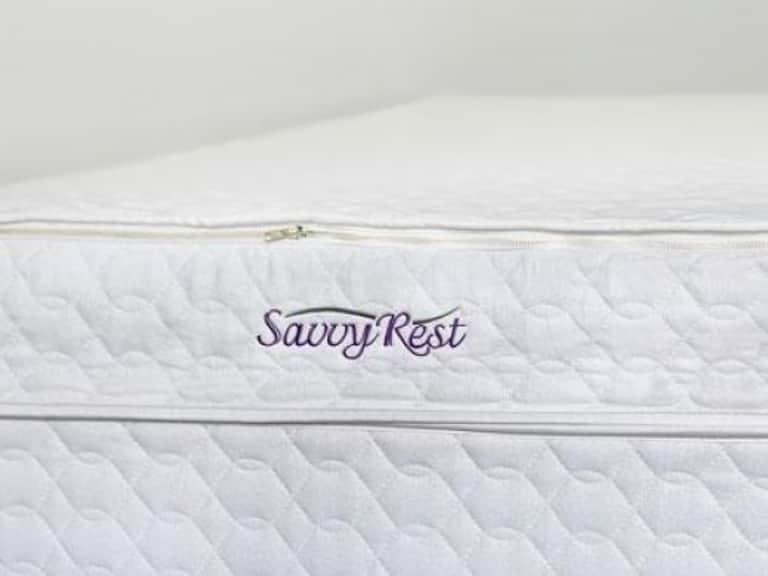
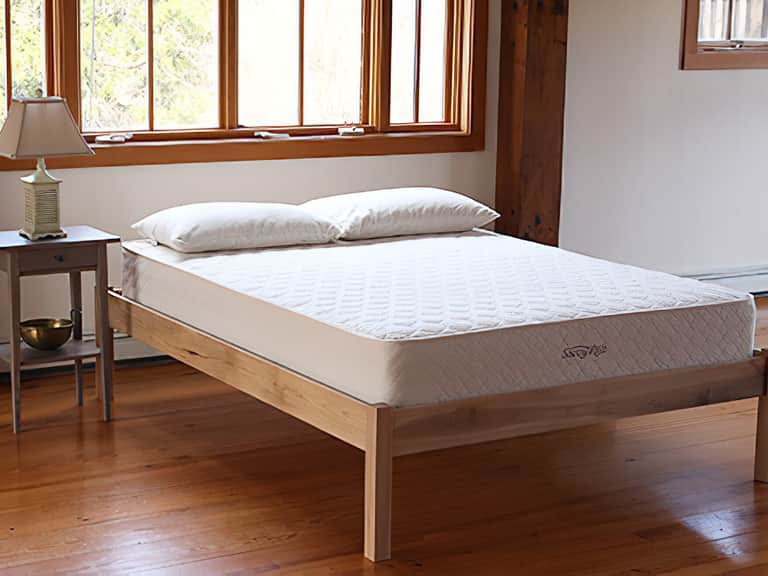
A well-constructed organic mattress aligns these materials into a layered system that offers supportive comfort without reliance on synthetic additives. In this context, Savvy Rest Tranquility Latex Mattress stands as an illustrative example of a product built around organic components, with a two-layer latex construction and a 20-year warranty. The Tranquility's design emphasizes the idea that organic materials can be engineered for long-term reliability, even when the product line is positioned in a consumer market.
Savvy Rest Tranquility Latex Mattress (7 inch)
A 7" thick, customizable organic latex mattress combining organic wool, organic cotton, and Dunlop/Talalay latex. Designed for a balance of support and contouring with a 20-year warranty.
Materials: Latex, Wool, Cotton | Certification: Organic components (brand-level transparency) | Price: See product page
Care: Extending the Life of Organic Materials
Care practices for organic mattresses are straightforward but purposeful. They center on protecting the materials from moisture, heat, and wear, while maintaining breathability and hygiene. Consider the following practices:
- Airtight storage and using a breathable, snug-fitting cover to guard against dust and moisture when not in use.
- Regular rotation or flipping (if the mattress construction permits) to promote even wear, especially in layered latex designs.
- Avoiding direct heat sources and excessive humidity that could affect wool or natural fibers.
- Following brand care guidelines for cleaning and spot treatment to avoid degrading natural materials.
Long-term care also involves understanding return policies and warranties. A strong warranty signals a brand’s confidence in the durability of its organic components. When evaluating warranties, read coverage details carefully: what is included, what counts as wear and tear, and what steps are required to file a claim. In many cases, the warranty is a proxy for the brand’s commitment to product quality and customer satisfaction.
Three Key Figures Across Time: Perspectives on Health, Process, and Value
To illuminate the future-oriented goals of organic mattresses, it helps to consider voices from distinct eras. Here are three influential figures whose work intersects with sleep health, manufacturing integrity, and consumer education.
Florence Nightingale (19th Century): Evidence-Based Care
Nightingale’s insistence on data-driven, hygienic care laid foundations for modern healthcare. In sleep science, her legacy echoes in the emphasis on environment, nutrition, and hygiene as determinants of well-being. Her approach invites modern mattress research to consider air quality, moisture control, and sterilization in bedding ecosystems.
W. Edwards Deming (20th Century): Quality and Process Improvement
Deming championed systemic thinking and continual improvement. In the mattress world, this translates into a disciplined focus on material sourcing, production processes, and transparency. A product that bears organic credentials benefits from a Deming-inspired mindset: measure, test, refine, and disclose to consumers with humility and clarity.
Jane Jacobs (20th Century): Community, Transparency, and Urban Knowledge
Jacobs celebrated local knowledge, open streets, and the importance of context. Applied to organic mattresses, her perspective champions brands that engage honestly with customers, publish supply-chain details, and foster education over marketing. The consumer thrives when brands act as informed neighbors rather than sellers with a glossy veneer.
Brands in Focus: Reputable Organic Components and Practices
Throughout the organic mattress landscape, several brands have built reputations on transparent materials and credible certifications. Savvy Rest, Naturepedic, Obasan, and Royal-Pedic are frequently cited for their commitments to organic components and durable construction. When assessing options, look for:
- Clear articulation of material sources and certifications.
- Layered construction details that reveal how support and comfort are achieved without synthetic additives.
- Transparent warranty terms and care guidelines that translate into long-term value.
Product Spotlight: Savvy Rest Tranquility Latex Mattress (7 inches)
Description: A customizable organic latex mattress featuring two latex layers with organic wool and organic cotton cover. The product is designed for lightweight sleepers and children, with a 20-year warranty and a layer-exchange option for fit customization.
Note: Availability, pricing, and exact specifications may vary by retailer. Always verify certifications and sources directly with the manufacturer.
Conclusion: Making Thoughtful, Evidence-Based Mattress Choices
The move toward organic mattresses is, at its core, a move toward greater responsibility—toward healthier sleep environments, more transparent manufacturing, and longer-lasting products. By understanding materials, pursuing credible certifications, and adopting intentional care routines, readers can navigate a complex market with greater confidence. The enduring promise of an organic mattress is not merely comfort; it is a commitment to well-being, stewardship, and informed consumer power.
As you plan a sleep environment built on trust and durability, remember that true value emerges when science, transparency, and care intersect. In that space, the organic mattress becomes more than a surface to rest on; it becomes a statement about how we choose to live, sleep, and rise ready for each new day.